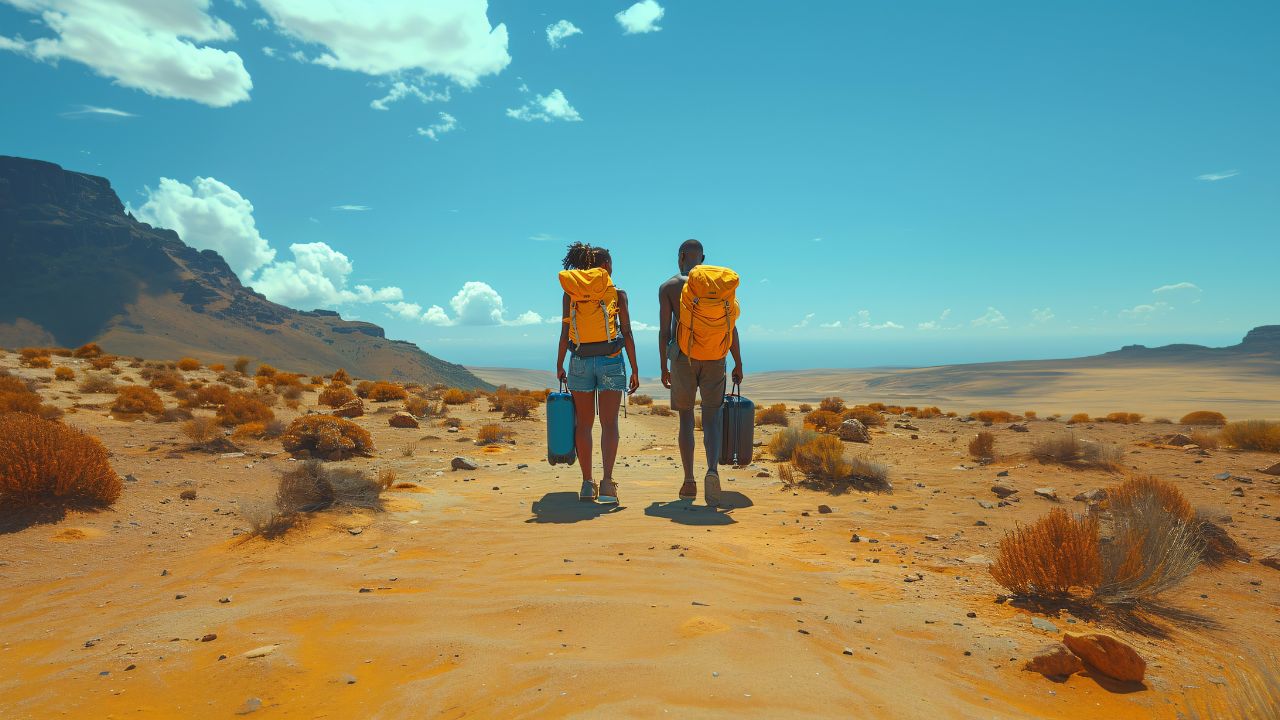
The desert of Arrakis is back, and it is bigger than ever. When Dune: Part One hit theaters in 2021, it felt like an introduction to a massive world. Now, Dune: Part Two has arrived to finish the story of Frank Herbert’s first novel. Fans have waited years for this moment. The big question is: Was it worth the hype?
In this review, we look at every part of the film. We look at the acting, the stunning visuals, and how the story changes from the book. Whether you are a hardcore fan of the books or just someone who loves big movies, this guide will tell you everything you need to know.
The Plot: A Deep Dive into the Sands
Dune: Part Two picks up exactly where the first movie ended. Paul Atreides (Timothée Chalamet) and his mother, Lady Jessica (Rebecca Ferguson), are hiding in the desert. They have joined the Fremen, the desert people of Arrakis.
The story focuses on Paul’s rise to power. He wants revenge against the people who destroyed his family. But there is a problem. Many Fremen believe he is a messiah, a “Chosen One.” Paul is afraid of this. He sees visions of a terrible war happening in his name. The movie does a great job of showing Paul’s struggle between being a leader and being a monster.
Key Plot Elements
| Feature | Description |
| Main Conflict | Paul Atreides vs. House Harkonnen and the Emperor. |
| Setting | The deep deserts of Arrakis and the Harkonnen home world, Giedi Prime. |
| Core Theme | The danger of following “perfect” leaders and the cost of revenge. |
| Pacing | Faster than the first film, with much more action. |
Visuals and Cinematography: A Feast for the Eyes
Director Denis Villeneuve and cinematographer Greig Fraser have created something special. The movie looks incredible. While the first movie showed us the scale of the world, the second movie takes us inside it.
One of the most talked-about parts is the planet Giedi Prime. In these scenes, the film switches to a stark black-and-white look. It feels cold and scary, which fits the Harkonnen family perfectly. The way the movie uses light and shadow is masterclass work.
Visual Highlights
| Element | Impact on Viewer |
| Sandworm Riding | Massive scale that feels real and terrifying. |
| Infrared Cinematography | Used for Giedi Prime to create a unique, alien look. |
| Color Palette | Warm oranges for Arrakis vs. cold greys for the villains. |
Character Performances: The Heart of the Epic
The acting in Dune: Part Two is one of its strongest points. Every actor brings their best to the screen.
- Timothée Chalamet: He transforms from a boy into a powerful, scary leader.
- Zendaya (Chani): She has a much bigger role here. She is the moral heart of the movie, questioning Paul’s choices.
- Austin Butler (Feyd-Rautha): He is the new villain. He is creepy, bald, and very dangerous. He makes every scene feel tense.
Cast and Character Analysis
| Actor | Character | Role/Impact |
| Timothée Chalamet | Paul Atreides | The protagonist struggling with destiny. |
| Zendaya | Chani | A fierce warrior and Paul’s love interest. |
| Austin Butler | Feyd-Rautha | The psychotic nephew of the Baron. |
| Rebecca Ferguson | Lady Jessica | The mother using religion to protect her son. |
Sound and Music: The Power of Hans Zimmer
You cannot talk about Dune without talking about the sound. Hans Zimmer returned to compose the music. It does not sound like a normal movie orchestra. It uses strange instruments, chanting, and heavy bass. When a sandworm appears, the theater literally shakes. This “wall of sound” makes the movie feel like a religious experience.
Comparing the Sequel to the First Movie
Many people felt the first Dune was too slow. It had a lot of talking and “world-building.” Dune: Part Two is different. It is an “all-out war” movie.
Comparison Table
| Feature | Dune: Part One (2021) | Dune: Part Two (2024) |
| Tone | Philosophical and Slow | Action-packed and Intense |
| Action | Small skirmishes | Massive planetary battles |
| Character Focus | Family and Duty | Power and Religion |
| Runtime | 155 Minutes | 166 Minutes |
Why “Dune: Part Two” Matters for Sci-Fi
This movie is being compared to The Empire Strikes Back or The Lord of the Rings. Why? Because it proves that “smart” sci-fi can also be a blockbuster. It doesn’t treat the audience like they are bored. It asks hard questions about religion, politics, and the environment.
Environmental Themes
Arrakis is a desert where water is more valuable than gold. The movie shows how people adapt to their environment. This is a very relevant topic today. The Fremen respect the land, while the Harkonnens only want to mine it for profit.
Directing Genius: Denis Villeneuve’s Vision
Denis Villeneuve has a specific style. He likes big shapes, quiet moments, and sudden bursts of violence. In Dune: Part Two, he proves he is one of the best directors working today. He managed to take a book that people said was “unfilmable” and made it a hit.
The Ending: Setting the Stage for the Future
Without giving away spoilers, the ending of the movie is not a happy one. It is complicated. It leaves the door open for a third movie, based on the book Dune Messiah. It leaves the audience thinking about the consequences of Paul’s actions.
Frequently Asked Questions (FAQ)
1. Do I need to watch the first movie before Part Two?
Yes. Dune: Part Two starts immediately after the first one. You will be very confused if you haven’t seen the first part.
2. Is Dune: Part Two suitable for children?
The movie is rated PG-13. It has some intense violence and scary characters (especially Feyd-Rautha). It might be too intense for very young children.
3. How long is the movie?
The movie is about 2 hours and 46 minutes long.
4. Is the movie faithful to the book?
For the most part, yes. However, some characters are changed, and the timeline is shortened to make the movie more exciting.
5. Will there be a Dune: Part Three?
Director Denis Villeneuve has expressed interest in making Dune Messiah to complete Paul’s story. It depends on the box office success, which has been very high.
Final Words
So, was the sequel worth the hype? Absolutely.
Dune: Part Two is a rare movie. It is a visual masterpiece that also has a brain. It takes risks with its story and its characters. It isn’t just a movie about space battles; it is a story about how power can change a person. If you enjoy cinema that makes you feel small in a giant, beautiful world, you must see this film. It is a landmark in science fiction history.